
Facebook & Instagram Advertising (Meta Ads)
Desire is built on Facebook & Instagram. We set up Meta campaigns with the right structure, scroll-stopping creatives, and reliable measurement — so you can turn interest into sales.
On Google, people search; on Facebook & Instagram, they discover. That's where desire for your product or service is built — often before the customer even realizes they need it. It's the channel where you create demand, not just wait for it.
The "boost post" option offered by the platform itself is just the tip of the iceberg. The real power of Meta Ads lies in proper campaign structure, targeting, and — above all — the creatives.
We build full-funnel campaigns: prospecting to reach new audiences, remarketing to close the sale, and creatives (graphics & reels) that actually sell. All with reliable measurement through Conversion API.
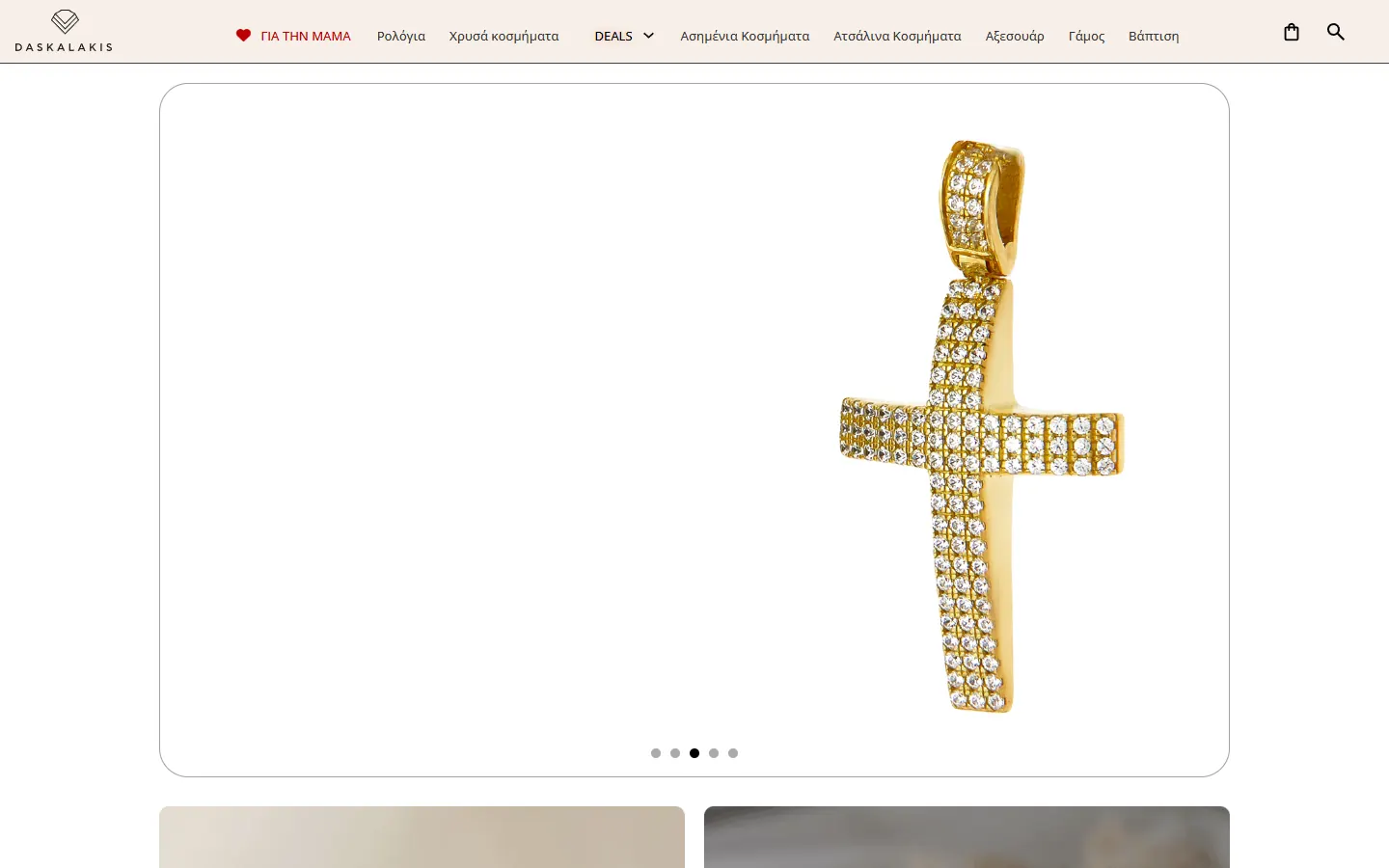
We are certified Meta Partners and work data-driven: we continuously test creatives & audiences, keep what performs, and optimize your ROAS, as we do for the Daskalakis Jewellery eShop.
What We Do
Full Meta Ads management.
Full-funnel structure
Prospecting + remarketing that guides the user smoothly toward purchase.
Advantage+ Shopping
Properly configured ASC for scale, with control where it matters.
Creatives & copy
Frameworks for reels & images that sell — not just impress.
Audience targeting
Lookalikes, interests & custom audiences for the right people, at the right time.
CAPI & tracking
Conversion API + Pixel for reliable measurement despite iOS & cookie restrictions.
ROAS optimization
Continuous testing & optimization for consistently better performance.
Free guides for your Meta Ads
Free chapters and eBooks from our team. No cost, no strings attached.
 Free guide
Facebook Ads: the 10 mistakes costing you money
The most common mistakes we see in Meta Ads accounts and how to fix them.
Read → Free guide
7 Facebook Ads mistakes: a starter guide
A quick check so you stop burning budget on wrong settings, from your first campaign.
Read → Free eBook
SEO Guide 2026 (free eBook)
A condensed download: SEO today, AI search included, in a PDF you can read in an afternoon.
Read →For the complete Meta + Google system on real budgets, see the Meta & Google Ads Playbook 2026 (€49).
How We Work
From strategy to scaling.
Strategy & offer
We define the audience, messaging & offer that captures attention.
Creatives
We create reels & graphics designed to stop the scroll.
Launch & testing
We test creatives & audiences to find the winners.
Scaling
We scale what performs while maintaining ROAS.
Why Choose Us
Structure, creatives & measurement.
Certified
Meta Partners with experience in eShop & services.
Creatives that sell
A team that creates content, not just "runs" campaigns.
Reliable measurement
CAPI & proper attribution for a true picture of your ROAS.
Google synergy
We combine discovery (Meta) with intent (Google) for maximum results.
Discovery vs Intent: why you need both
Google captures existing demand; Meta creates new demand. If you rely only on intent, you're limited to people who are already searching for you. With Meta, you reach people who don't know you yet — and make them want you.
That's why the most successful strategies combine both channels, with a clear role for each.
Creatives are 80% of the success
In Meta Ads, the creative is the real "algorithm." A strong reel can outperform a mediocre one many times over, with the same budget & targeting. That's why we invest time in content: hook, message, pacing, call-to-action.
We continuously test new ideas, because even the best creatives experience fatigue over time.
Measurement in the iOS era
Privacy changes (iOS) have made measurement more difficult. Without proper Conversion API, you lose data and the algorithm optimizes blindly. We set up CAPI & proper attribution so every euro counts — and you know what's actually performing.
Advantage+ Sales or a manual structure? When do we let the algorithm decide?
Meta pushes everything towards Advantage+: broad audiences, automatic placements, one campaign for everything. It works impressively when it has something to learn from, meaning purchase history in the Pixel and the Conversions API, a connected product catalogue and enough different creatives. And it fails quietly when it does not, because "broad" without purchase data simply means cheap clicks from the wrong people.
The structure we build for an eShop
One Advantage+ Sales campaign for prospecting, with the catalogue connected, an existing-customer budget cap (so the algorithm does not "rest" by selling to people who would have bought anyway) and six to ten live creatives. Next to it, a testing campaign with budget per ad set (ABO), where every ad set changes a single variable: the angle, the format or the offer. Winners move into Advantage+. And a remarketing campaign with dynamic product ads for people who viewed a product or left a cart, with exclusions towards prospecting, so you never pay twice for the same person.
When we do not leave the algorithm alone
Lead generation for services, local businesses working a radius around the shop, B2B, and new accounts with no conversion history. There the structure is manual, with clearly defined audiences and optimisation on the event that carries real value, not the cheapest one. As data accumulates, we open up targeting step by step.
How do we test creatives systematically?
In Meta Ads the creative is the targeting. The algorithm shows each video to the people who react to it, so changing the creative effectively changes your audience. That is why we do not test a "nice" image against a "less nice" one, but message angles and formats, with discipline.
The weekly routine
We start from three message angles, such as problem and solution, social proof with reviews or UGC, and offer or value proposition, and produce them in three formats: reel or UGC video in 9:16, static image and carousel. Every week two to four new creatives enter the testing campaign. In video we judge the hook first with thumbstop rate, 3-second views over impressions, then the message with hold rate, interest with CTR and, finally, cost per purchase. Anything that spends above the target cost without a purchase is paused. Winners do not stay as they are: we produce variants with a new hook on the same body, because even the best creative wears out.
How we know it has worn out: frequency rises and CTR drops in the same week. The answer is a new angle, not more budget. We combine UGC material, which wins the hook, with studio material, which shows the product properly, and write primary text that states the price and the reason to buy in the first line.
Conversions API: why the Pixel alone is not enough
The Pixel runs in the user's browser. iOS App Tracking Transparency, ad blockers, Safari and cookie banners mean a significant share of purchases never reaches Meta. Without that data the algorithm optimises with half the picture and reporting shows a lower ROAS than the real one, so you cut campaigns that are actually working.
How we set it up
The Conversions API sends the same events (ViewContent, AddToCart, InitiateCheckout, Purchase) from the eShop server, either through a WooCommerce plugin or through server-side Google Tag Manager for custom platforms. Each event leaves both from the browser and from the server with the same event_id, so Meta deduplicates and counts one purchase, not two. Along with it we send hashed customer details such as email, phone, name and city, which raise Event Match Quality and make remarketing more accurate. Purchase always carries value and currency, otherwise Advantage+ cannot optimise for ROAS.
Before opening any budget we verify every event's route in Events Manager with the test events tool, the browser-to-server ratio and the EMQ score. If we build the store, all of this is part of the eCommerce development from day one.
Audience targeting and frequency: broad, lookalike or interests?
Interests are now the least useful targeting tool. With Advantage+ audience, Meta treats them as a suggestion and moves beyond them as soon as it finds better buyers. Real targeting is done by the creative and by the purchase data the Conversions API sends. Custom audiences, however, keep two jobs nobody is retiring: remarketing and exclusions.
How we build the audiences
In prospecting we go broad, with a purchaser lookalike as a starting signal in new accounts and a geographic radius where the business is local. Mid-funnel we collect people who watched 50% of a video, engaged with your profile or opened a lead form in the last 30 to 90 days, and show them a new angle for the same product. At the bottom, people who viewed a product or left a cart in the last 7 to 30 days see dynamic product ads with the exact item. Purchasers are excluded from prospecting for 180 days and worked separately with retention: cross-sell, repeat purchase, new collections.
Frequency is read per stage. In prospecting it should stay low; when it climbs and CTR falls, the audience is tired of the creative. In remarketing we tolerate higher frequency, but in awareness campaigns with a reach objective we set a frequency cap, so you do not pay for the tenth impression to the same person.
How much does advertising on Facebook and Instagram cost?
As with Google, there are two separate costs: the spend paid to Meta, which you set and can change daily, and the management fee. Creative production, photography, filming and editing, is priced separately depending on the material needed.
What shapes the cost
CPM, the cost per thousand impressions, is set by the auction: how many advertisers want the same audience in the same season. The fourth quarter, with Black Friday and Christmas, is consistently the most expensive. CTR is set by the creative, and conversion rate by your eShop: speed, checkout, shipping costs. When cost per purchase is high, the diagram shows which of the three factors is to blame, and we fix it there, not with more budget.
To exit the learning phase, Meta's indicative guidance is roughly 50 optimisation events per ad set per week. On a small budget, then, we do not build ten ad sets of a few euros each; we build one or two, optimise for Purchase rather than traffic, and put all creatives together. For small businesses, our social media management packages include Meta Ads management for monthly budgets up to €1,200. For larger budgets and eShops, request a quote with your numbers.
The mistakes that cost money in Meta Ads
We see them in almost every account we take over, whatever the size of the budget.
- "Boost post" instead of a campaign optimised for purchases or messages: you pay for likes.
- Many ad sets with a small budget each, none of which ever leaves the learning phase.
- Changes to budget, audience or creatives every two days, resetting learning each time.
- Optimising for traffic or engagement while the goal is sales.
- Pixel without Conversions API, so ROAS looks lower than it really is.
- No purchaser exclusions: you pay to show the product to someone who bought it yesterday.
- One creative per campaign, with no test of message angle or format.
- A slow landing page or a checkout with hidden shipping costs, cancelling out the best creative.
Our audit at the start checks exactly these points, together with the route of every event in Events Manager.
Our work in practice
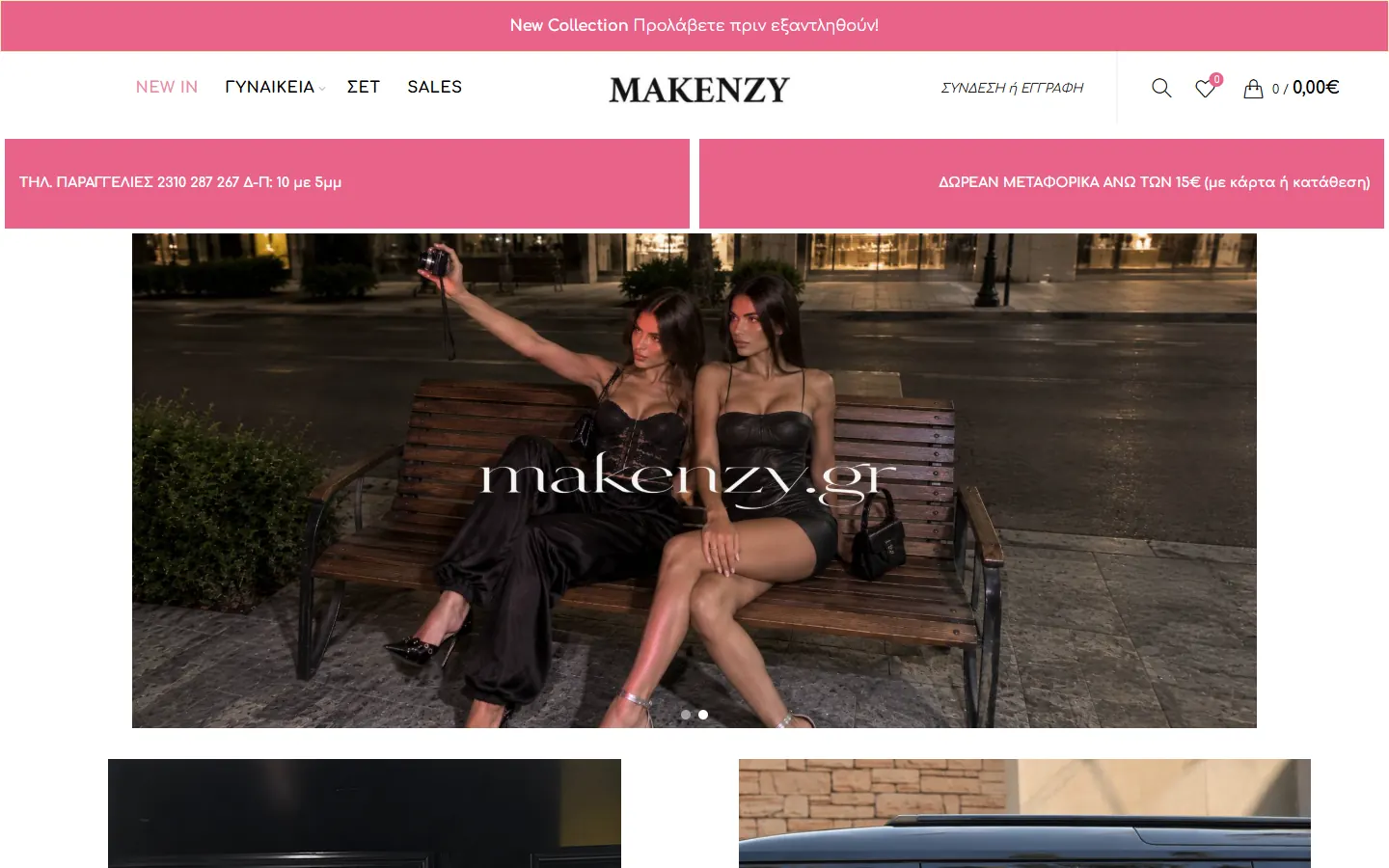
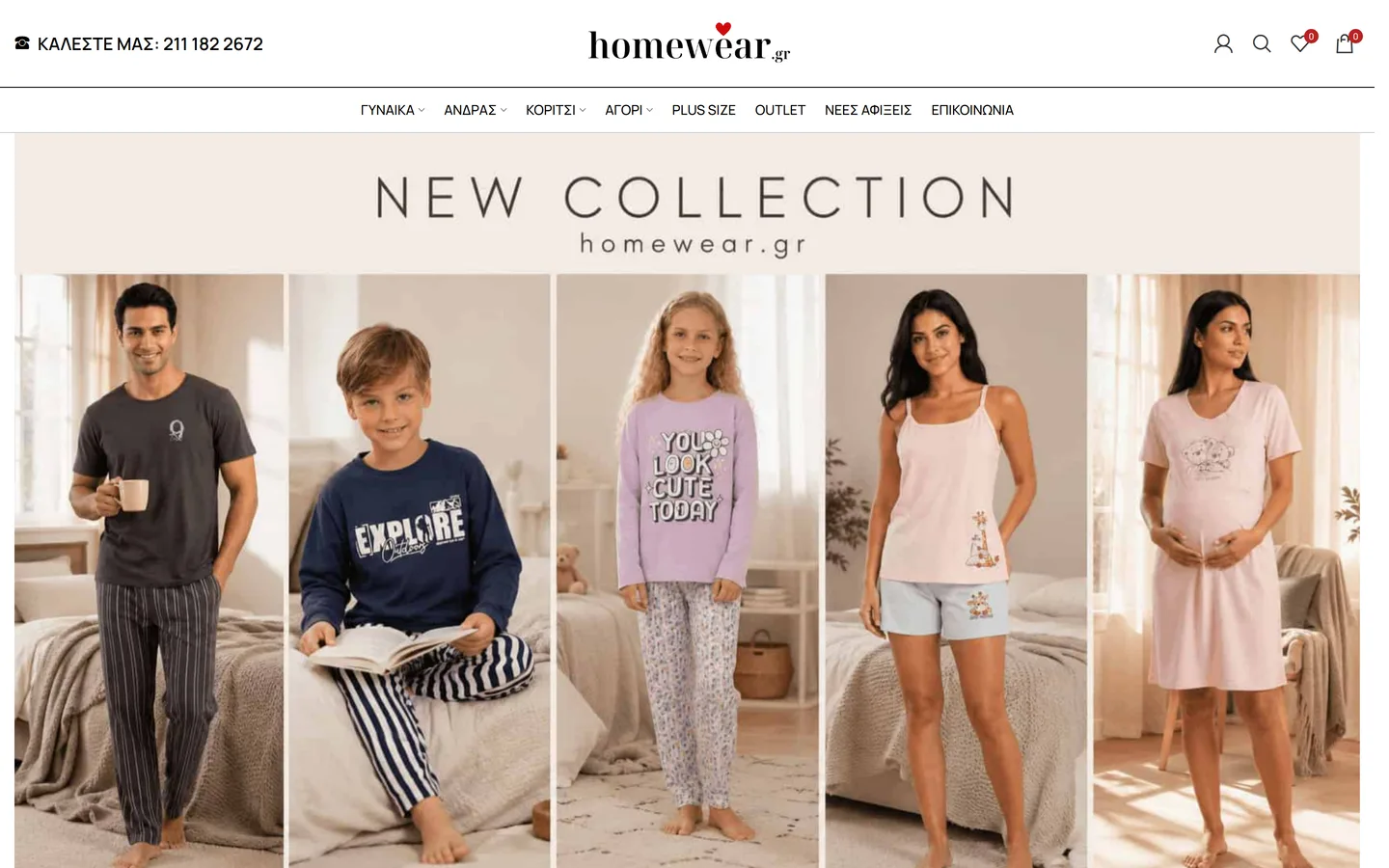
Related case studies with real, measurable results.
Frequently Asked Questions
Meta Ads.
What's the difference from "boost post"?
Do I need ready-made material?
Is the ad budget separate from the fee?
Does it work for services, not just eShop?
Can it be combined with Google Ads?
How often do you change the creatives?
What is the Conversions API (CAPI) and do I need it?
How many creatives do I need to start?
What our clients say
Η συνεργασία μας με την Qbrains (και προσωπικά με τον Ηρακλή) αποτελεί καθοριστικό παράγοντα για την άρτια λειτουργία του ηλεκτρονικού μας καταστήματος. Ως επιχείρηση που λειτουργεί με γνώμονα τη διαχρονικότητα και τον απόλυτο έλεγχο ποιότητας από το 1966, αναζητούμε το ίδιο επίπεδο ακρίβειας και από τους συνεργάτες μας. Η ομάδα της Qbrains παρέχει εξαιρετική τεχνική υποστήριξη, ταχύτατη ανταπόκριση και κορυφαία τεχνογνωσία. Ένας πραγματικά στρατηγικός συνεργάτης που συνιστούμε ανεπιφύλακτα.
Γνώστες του development και τεχνικής υποστήριξης ακόμη και σε custom eshops με αρκετές δυσκολίες όπως το δικό μας. Με υπομονή και επεξήγηση σου δείχνουν το πρόβλημα και προτείνουν την λύση.
Μετά από 7 μηνες συνεργασίας μπορώ να πω ότι ότι λένε το τηρούν (έχουν δει πολλά τα μάτια μου εκεί εξω) Υπάρχει ένα πολύ καλό επίπεδο συνεννόησης που είναι τρομερά σημαντικό ιδιαίτερα σε περίπτωση ανάγκης. Αξίζει κάποιος να συνεργαστεί με την εταιρεία
Αυτο το team εργάζεται σε ένα άλλο επίπεδο ! Φιλική προσέγγιση ,κατανόηση των αναγκών του πελάτη ,άμεση επίλυση των προβλημάτων που προκύπτουν και πολύ καλές τιμές . Συγχαρητήρια τους συστήνω ανεπιφύλακτα !
Άψογη και ταχύτατη εξυπηρέτηση 24/7 ακόμα και μέσα στην καρδιά του καλοκαιριού. Η συνεργασία μας κρατάει σχεδόν 10 χρόνια και ελπίζω για ακόμα περισσότερα.
Πολύ καλοί στον Προγραμματισμό και την Διαχείριση.
Related articles
From our blog (articles are in Greek).
 Facebook Ads
Στοχευμένη διαφήμιση στο Facebook και στο Instagram, βήμα βήμα το 2026
Ένας πρακτικός οδηγός για να στήσετε στοχευμένες διαφημίσεις Meta το 2026, από τη δομή του Ads Manager και τα κοινά έως το κόστος, το Conversions API και τις ειδικές κατηγορίες.
Read →13 October 2026 Facebook Ads
5 Λάθη που κάνετε στις Facebook διαφημίσεις (Facebook ads), τα οποία σας κοστίζουν!
Οι διαφημίσεις που κάνετε στο Facebook δεν πάνε τόσο καλά όσο προσδοκούσατε; Δεν είστε σίγουροι πως να τις βελτιώσετε; Σε αυτό το άρθρο, θα σας αποκαλύψουμε πέν…
Read →25 January 2019 Social Media
Στρατηγική social media για αύξηση πωλήσεων, 6 βήματα για το 2026
Μια στρατηγική social media που μετριέται σε πωλήσεις και όχι σε likes, σε 6 βήματα. Με παράδειγμα μηνιαίου πλάνου για μικρή επιχείρηση και τα λάθη που κοστίζουν πωλήσεις.
Read →7 October 2026