
Medical Marketing for Doctors & Clinics
Be found by patients. Let them book without effort. Practice website, Google Business Profile and reviews, local SEO, Google Ads and AI automation of the front desk, all within the limits of medical ethics and the GDPR.

Medical marketing is the set of actions that make a practice visible, understandable and easy to reach for the patient who is looking for it: from the moment they type "GP Kalamaria" into Google until the moment they leave the practice and receive the message about their next visit. It is not advertising in the commercial sense. It is the organisation of information and communication.
The reality of the Greek private practice is specific: the doctor sees patients, the front desk (if there is one) answers the phone, and the online presence is often a Google profile someone set up years ago, a listing on a directory and a website that does not open well on a phone. Meanwhile the patient compares three practices in two minutes, based on reviews, photos and whether they can book without waiting on the line.
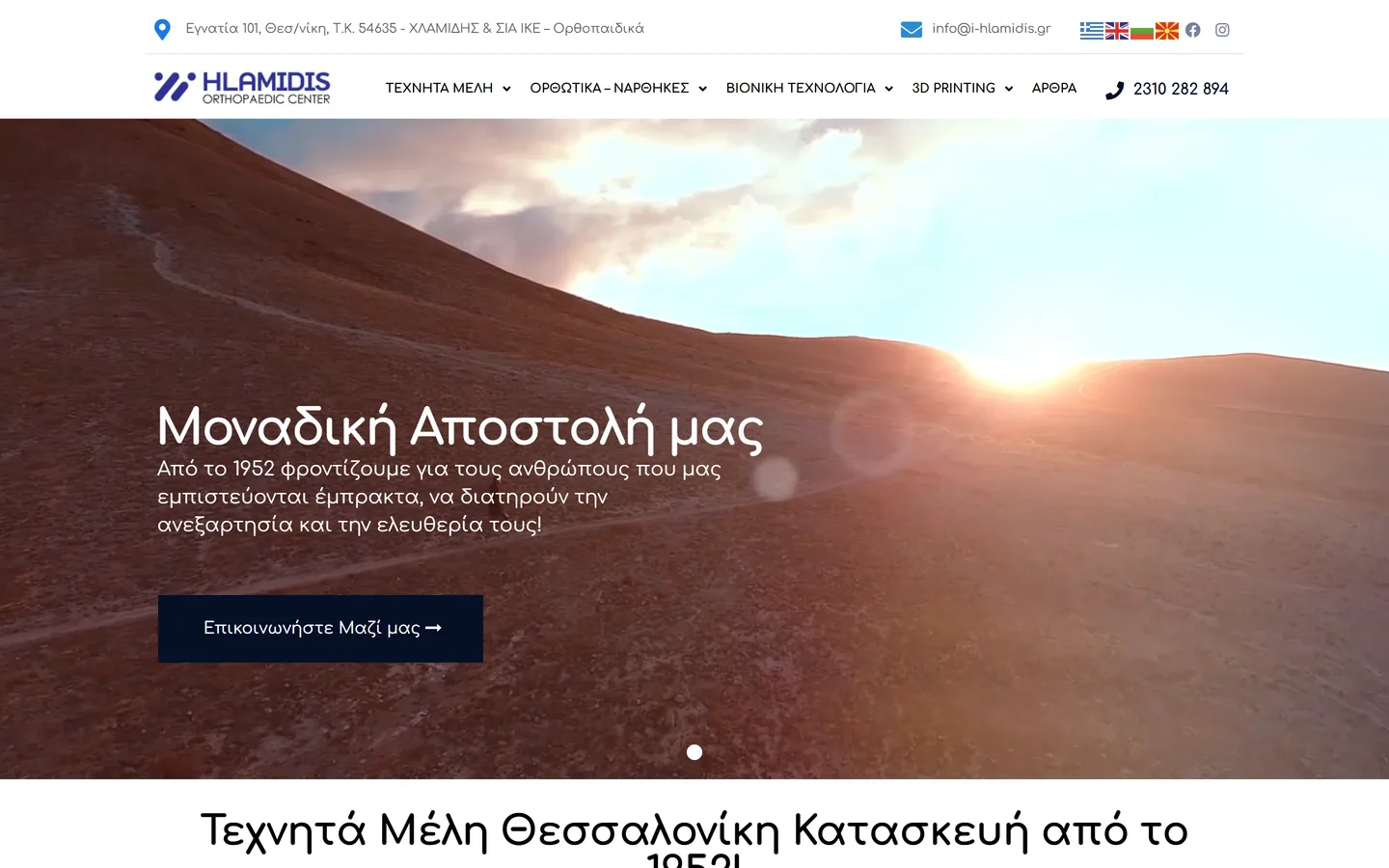
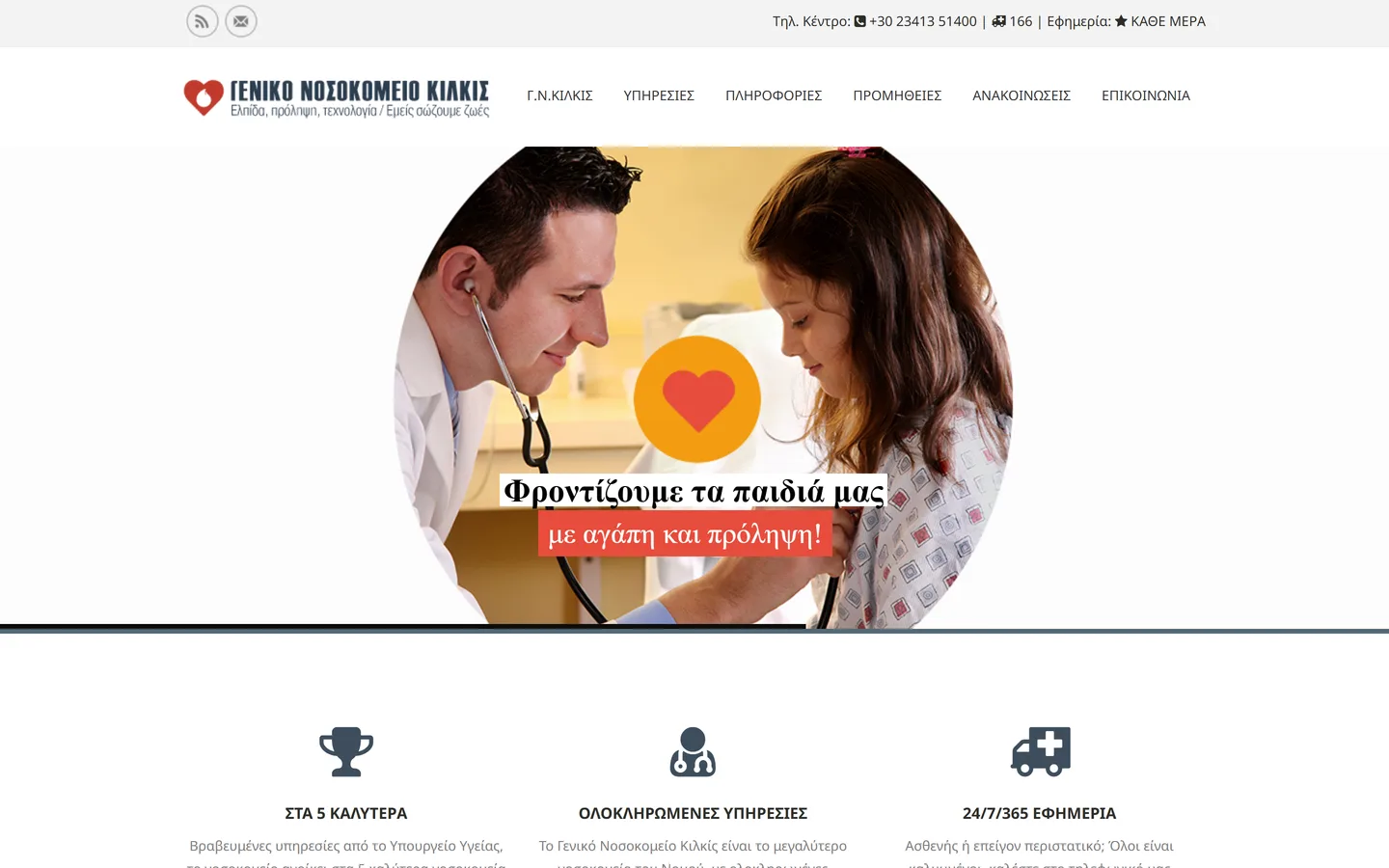
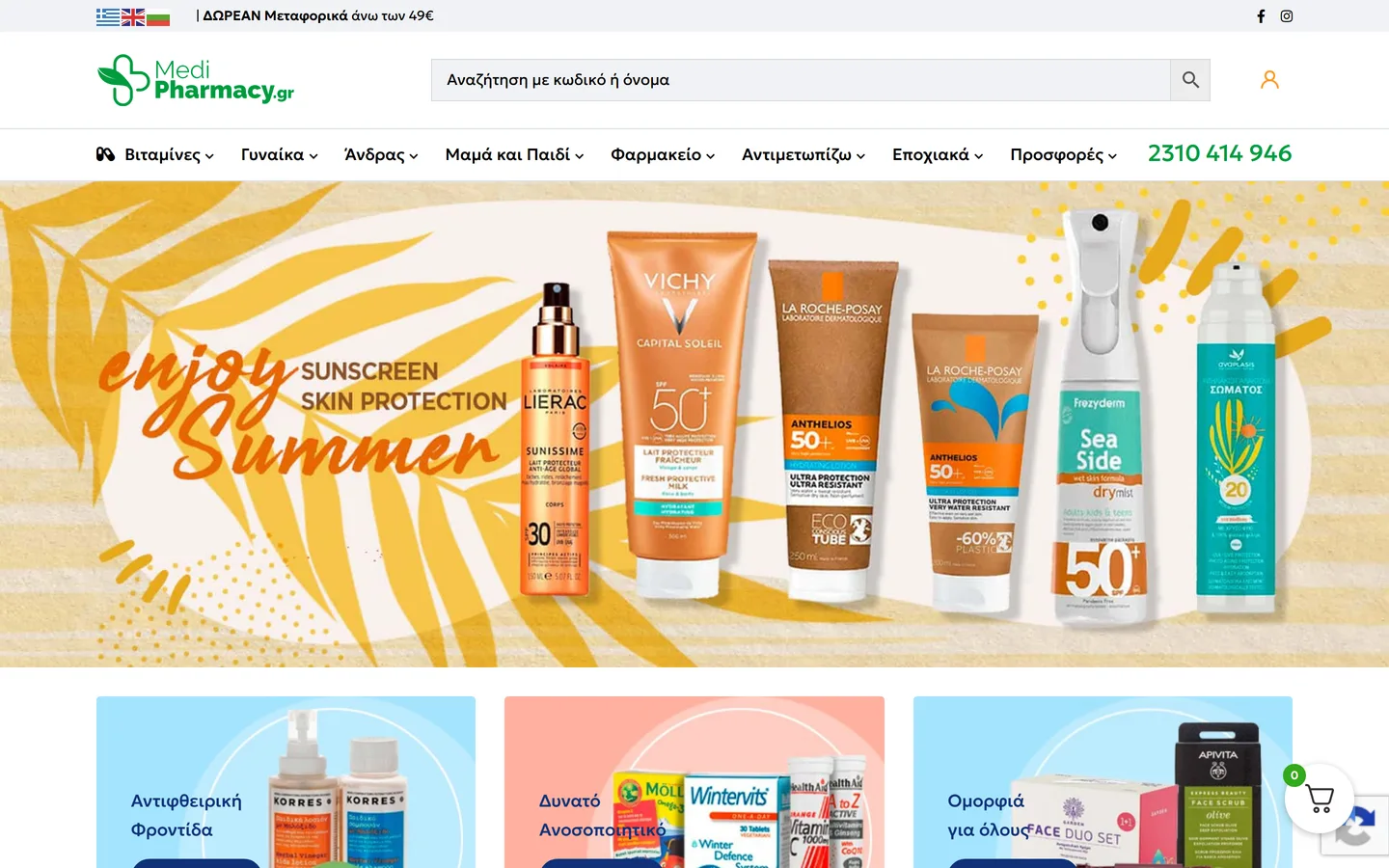
At Qbrains we have worked since 2000 with businesses that depend on accuracy and trust, including healthcare businesses such as Chlamidis Orthopaedics, Kilkis General Hospital and MediPharmacy.gr. For practices, diagnostic centres, dental clinics and group practices we built a specialised approach: informative content approved by the doctor, technical work that produces the appointment, and automation that takes the load off the front desk, always within the limits of the Code of Medical Ethics and the GDPR.
How does a patient look for a doctor today?
The journey almost always starts with a need: a symptom that persists, an examination requested by another doctor, an annual check-up, or a friend's recommendation. The next step is the search, and here behaviour is remarkably uniform: the patient types "specialty + area" into Google or Maps, "dermatologist Toumba", "dentist Kalamaria", "blood tests Evosmos". They see the map with three practices, their ratings, their hours and whether they are open now.
Then comes the comparison. The patient opens the profile, reads two or three reviews, looks at the photos of the practice and, if there is a website, goes in to see who the doctor is, what they studied, what exactly they do and how to get there. If all of that is there, they book an appointment: by phone or, increasingly, online, in the evening, after work. After the visit comes the follow-up: the reminder for the check-up, the message that results are ready, the invitation to leave a review.
Each stage has its own tool. Medical marketing that works does not pick one of them. It makes sure the chain does not break at any point.
What does medical marketing include?
Six parts that work together. The first four have their own page, because each is a separate job.
Doctor website development
Specialty, CV, services in plain language, photos of the practice, access, online booking and forms that ask only for name and contact details. Fast, accessible, with correct schema.
SEO & Google Business Profile
Local SEO for "specialty + area", a complete Google profile, review collection after the visit and informational pages per condition or examination reviewed by the doctor.
Google Ads for doctors
Campaigns per service or examination, only within the practice's radius and opening hours, with call and appointment tracking and full compliance with Google's healthcare policies.
Appointment automation with AI
Online booking, confirmation, reminder 24 hours before, cancellations filled from the waiting list, follow-up after the visit. The front desk approves, the system executes.
Reviews & reputation
A systematic review request to every patient after the visit, replies that never disclose health details, and monitoring of the practice's reputation on Google and directories.
AI automation
Answers 24/7 to the questions the front desk gets every day, notifications, follow-up and review management, with no medical content and no health data.
What does the patient see when searching "cardiologist Thessaloniki"?
Google's results page for such a search has four zones, and each is controlled in a different way. At the top, often, ads from practices and diagnostic centres. Right after, the map with the local pack: three practices with rating, number of reviews, opening hours and buttons to call and get directions. Below, the organic results: practice websites, but also directories such as doctoranytime or vrisko.gr that aggregate many doctors. And, more and more often, an AI Overview or answers synthesised from the sources Google considers trustworthy.
The doctor directly controls three of these zones. The local pack depends on the completeness of the Google Business Profile, the reviews and the distance from the patient. Organic results depend on the website: technical quality, content per service and condition, Physician or MedicalClinic schema. Ads are a matter of budget and correct structure. The fourth zone, the directories, is not controlled but is influenced: when your details are identical everywhere (name, address, phone, hours), Google trusts your own profile more as well.
The mistake we see most often is a practice paying for ads while its Google profile has no photos and its website takes six seconds to load on a phone. The click was paid for and the appointment went elsewhere.
What is allowed in physician advertising?
Medicine is not commerce, and the framework recognises that. The Greek Code of Medical Ethics (Law 3418/2005) sets limits on physician advertising, and every website, profile or campaign we set up has to stay within them. In practice, a doctor's online presence that is both lawful and effective is informative: it says who the doctor is, what their specialty is, what they studied and which titles they hold, where the practice is, what the opening hours are, which services and examinations are offered and how to book. That is exactly the content the patient is looking for.
As a matter of practice, in the texts we write for medical practices we do not promise treatment outcomes, we do not publish "before and after" photos, we do not compare the doctor with colleagues, we do not run offers or discounts on medical acts and we do not use pressure tactics. Informational content about conditions and examinations is written or reviewed by the doctor, carries their name and cites sources. If you are contracted with EOPYY (the Greek national health insurer), you state it clearly. You always approve the final text before it is published.
| What we write | What we avoid |
|---|---|
| Specialty, qualifications, titles, membership of scientific societies | Labels such as "the best", "the most experienced" |
| Services and examinations explained in plain language | Promises of results or "guaranteed" treatment |
| Hours, address, access, parking, how to book | "Before and after" photos and testimonials with medical content |
| Informational pages with a doctor as author and sources | Offers, discounts and deadlines on medical acts |
| Statement of EOPYY contract, where applicable | Collecting health data through forms, chat or ads |
Qbrains editorial practice, not legal advice. The doctor reviews and approves every text before publication.
How does AI take the load off a practice's front desk?
The phone ringing during an examination, the same five questions every day, the forgotten appointment that left a half-hour gap. With the help of AI and Qbrains' specialised solutions, these processes are automated, without the system ever touching medical content.
Appointments & reminders
Online booking from the website or Messenger, automatic confirmation, SMS or email reminder 24 hours before, with directions and what the patient should bring. The patient confirms or cancels with one tap.
Answers 24/7 to frequent questions
An AI assistant trained on the practice's details: hours, address and parking, which insurers you accept, whether you are contracted with EOPYY, how to prepare for an examination. For anything medical, it refers to the front desk or the appointment.
Follow-up after the visit
A thank-you message, a reminder for the check-up or annual review when the time comes, and information about the next steps the practice has defined. Written once by you, sent automatically at the right moment.
Review management
A review request to every patient after the visit, all reviews collected in one place, a draft reply with no health detail whatsoever and a notification to the team for every negative review, so you reply the same day.
Waiting lists & cancellations
When a patient cancels, the system automatically notifies the next people on the waiting list and the gap is filled without phone calls. Last-minute cancellations drop when the reminder arrives in time.
"Your results are ready" notification
For diagnostic centres and laboratories: an automatic message that results are available for collection or on your secure platform. Notification only, never medical content or values inside the message.
AI does not replace the front desk and does not make medical decisions. It removes the repetitive work so that your people can look after the patient standing in front of them. Every automation is set up with your own texts and your own rules, with a checkpoint for the front desk, and connects to the calendar and the phone you already use. It does not request, store or process health data. See appointment automation with AI in detail and our AI services for businesses.
Free online presence audit for your practice
Within 48 hours we send you what a patient sees when searching for your specialty in your area, and what is missing for them to choose you.
What you get
- Google Business Profile check: categories, hours, photos, reviews, booking link
- Where you appear for "specialty + area" on Google, Maps and directories
- Mobile website test: speed, details, appointment form, GDPR
- Which front-desk steps can be automated with AI right away
How do we work with a practice?
Five steps, with the doctor approving every text and every automation.
Audit & goals
How patients arrive today (referral, Google, directories), what someone sees when searching for your specialty in your area, how many calls the front desk gets and about what. We set realistic goals for visibility and organisation.
Google Business Profile & website
We complete and verify the profile, photograph the practice, and design or rebuild the website with online booking, Physician or MedicalClinic schema and forms that ask only for name, contact details and preferred time.
Content approved by the doctor
Pages per service, examination or condition, written in plain language, with the doctor as author and sources cited. Informative, without promises. These bring the searches beyond "specialty + area".
Visibility & appointments
Local SEO, review collection after every visit and, where it makes sense, Google Ads per service within the practice's radius and hours, with call and online appointment tracking.
Automation & measurement
AI assistant for questions and appointments, reminders, waiting list, follow-up. Monthly report with impressions, calls, appointments and reviews, and adjustment of the plan based on real figures.
Organise your practice's online presence
Request a tailored proposal for your practice, diagnostic centre or group practice, based on your specialty and area.
Request a Proposal →Frequently asked questions about medical marketing
What doctors ask before we start.
What does medical marketing for a practice include?
What is a doctor allowed to promote online?
Does a practice need a website if it already has a Google Business Profile?
How do we ask patients for reviews the right way?
What data does the appointment form collect?
What exactly does AI do in a medical practice?
Do you work with diagnostic centres, dental clinics and group practices?
How soon does a practice see a difference?
Our work in healthcare
Healthcare businesses we have worked with: orthopaedic products, a public hospital and a pharmacy. They are not medical practices, but the work (SEO, speed, website) is the same work a practice needs.
Free guides for your practice
What we use ourselves, in the open.
 Local SEO
Local SEO & Google Business Profile
How a practice with a map pin and reviews gets found for "specialty + area" searches.
Read more → SEO & GEO
SEO & visibility in ChatGPT and Gemini
How a practice shows up when the patient asks an AI engine instead of Google.
Read more → Ads
AdsMeta & Google Ads Playbook 2026
The playbook we use in campaigns with real budgets.
Read →Specialised services for doctors
See each service in detail.