
Google Ads for Doctors
Practice advertising that produces appointments, not clicks. Google Search campaigns per service and examination, appointment-intent keywords, landing pages with a call button and a short form, and measurement of every appointment, always within the Greek Code of Medical Ethics and Google’s healthcare advertising policies.
Google Ads for doctors are ads shown at the moment someone searches Google for a specialty, an examination or a practice in their area, with the aim of booking an appointment. They are not banners, not videos and not Facebook posts: they are an answer to a specific search, from someone who already has a need and is deciding where to go.
Precisely because the need already exists, a practice ad does not have to convince anyone of anything. It has to be in the right place, say clearly who you are, what you do, where you are and when you see patients, and lead to a page where the appointment is booked with one tap on the phone number or a two-field form. Anything else you add, from superlatives to promises, not only fails to help but collides with the Code of Medical Ethics and with Google’s healthcare policy.
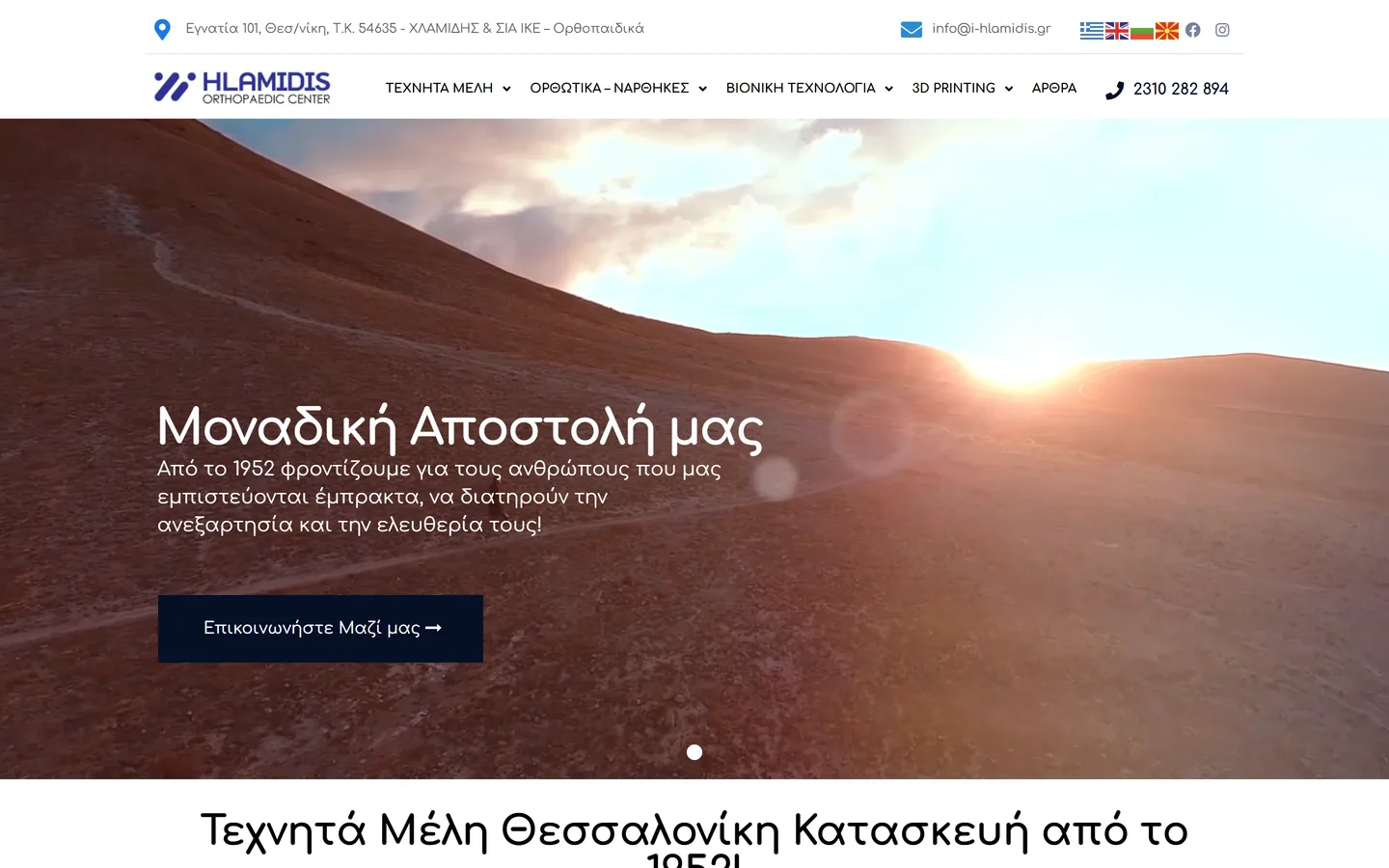
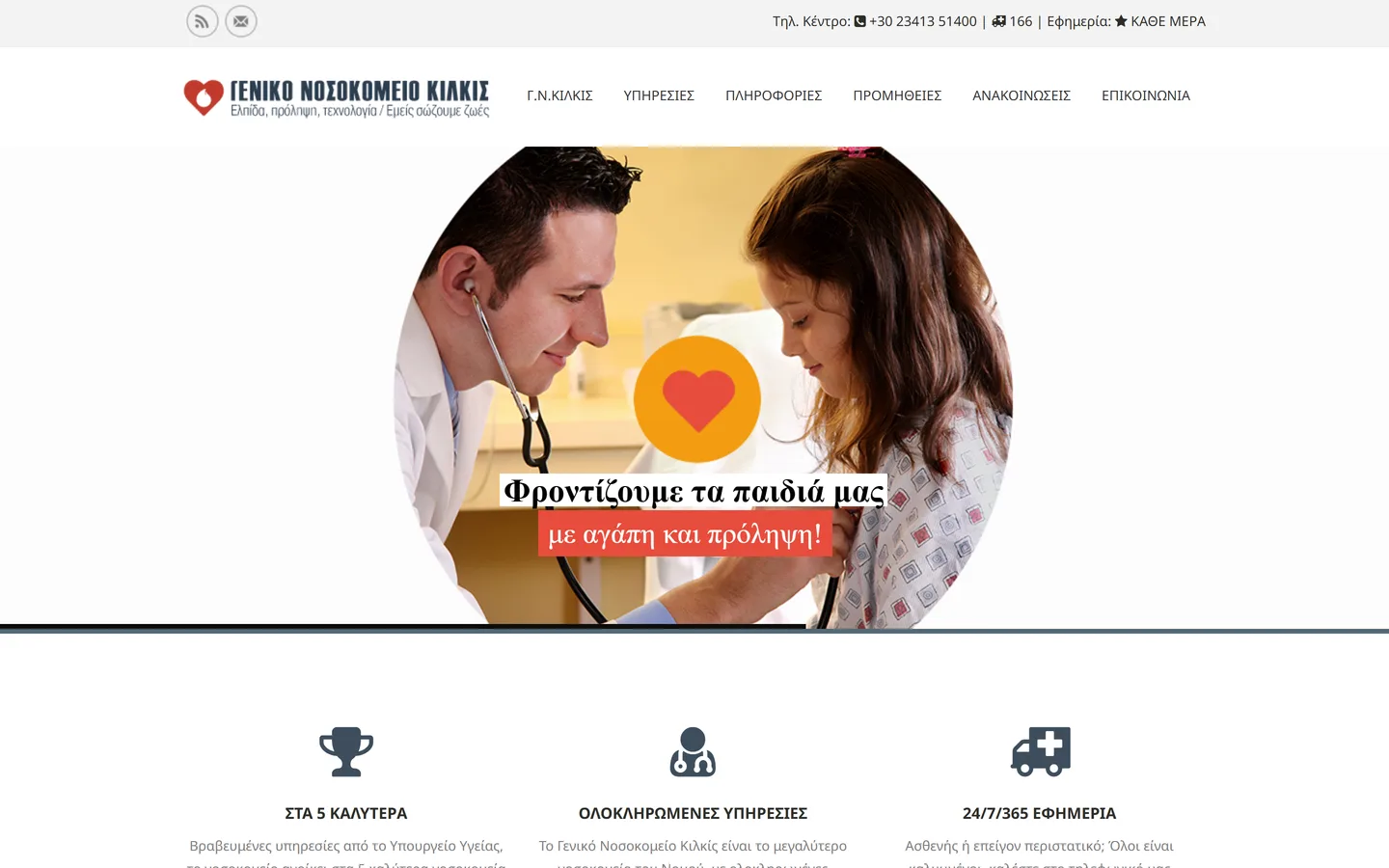
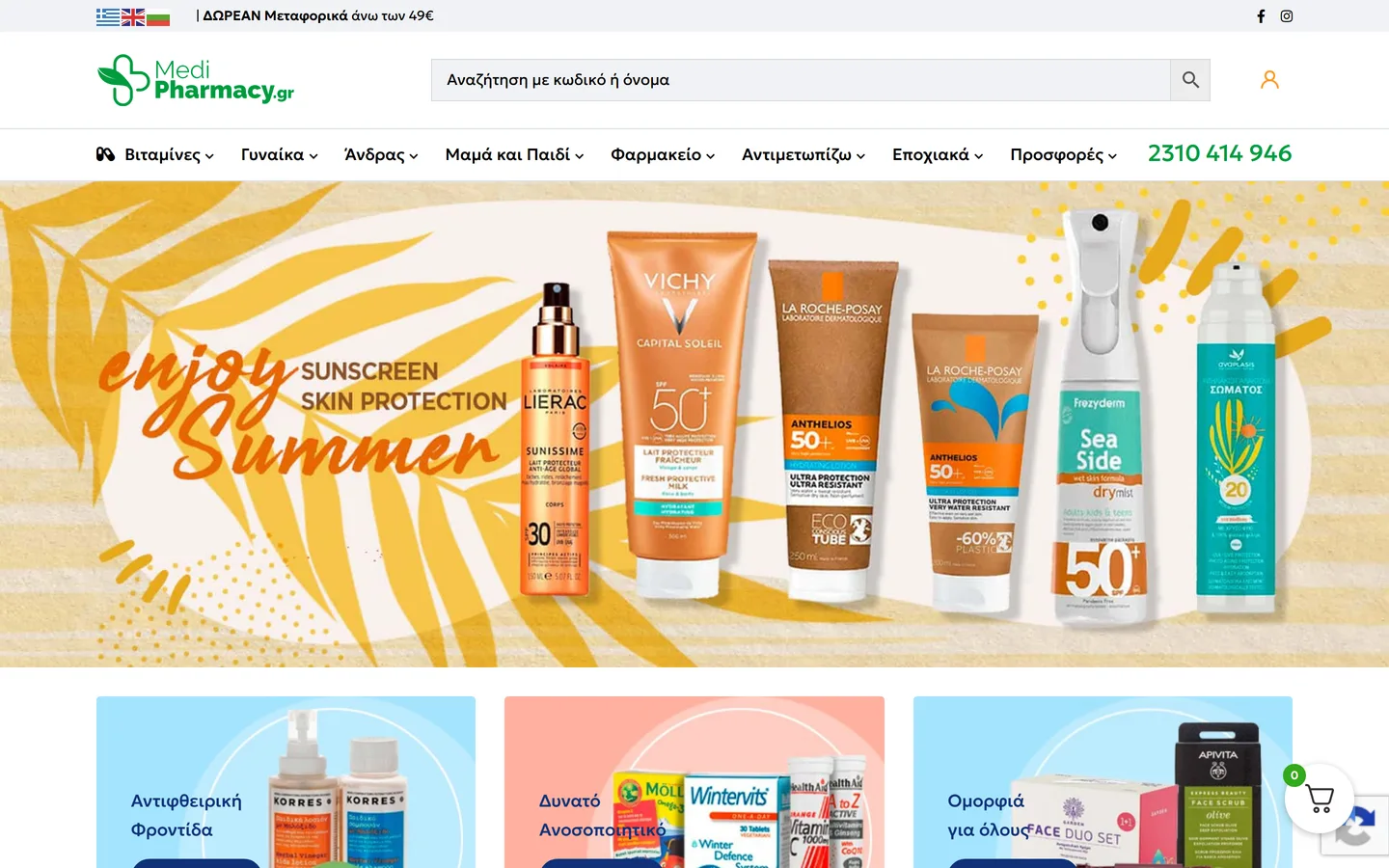
At Qbrains we have managed Google Ads since 2000, with more than 2,000 campaigns across Google and Meta, and we work with healthcare-sector businesses such as Chlamidis Orthopaedics, Kilkis General Hospital and the MediPharmacy.gr pharmacy. On this page we explain how a practice campaign is set up properly: from account structure to cost per appointment.
How is a medical practice’s Google Ads account structured?
The most common mistake we see in practice accounts is one campaign with one ad group and thirty mixed keywords: the specialty, three examinations, the doctor’s name and a few symptoms. Google cannot tell which ad matches which search, Quality Score drops, cost per click rises and the budget is spread where it does not matter.
The structure that works is simple and transparent: one campaign per service or examination, so each has its own daily budget and its own performance line. Inside each campaign, small ad groups with closely related keywords, for example "examination + Thessaloniki" in one group and "examination + near me" in another. The ad copy then answers exactly what the user typed, and you can see in a single table which service produces appointments and at what cost.
The doctor’s or practice’s name deserves its own campaign too. It is inexpensive, it protects your position when someone searches for you specifically, and it shows how many people look you up by name, a useful signal of how well referrals and local SEO are working.
Which keywords carry appointment intent, and which do not?
The same word, "cardiologist", hides three different people. One searches "cardiologist Thessaloniki appointment" and wants to book today. The second searches "what does a cardiologist examine" and is reading. The third searches "cardiologist job vacancies" and is your colleague. In Google Ads you pay for all three unless you say explicitly whom you do not want. That is why the negative keyword list matters as much as the keyword list, and why it is updated every week from the search terms report.
| Search type | Examples | What we do |
|---|---|---|
| Appointment intent | "specialty + Thessaloniki", "examination + Kalamaria", "near me", "appointment", "clinic + district", "examination price" | Phrase and exact match keywords, each with its own ad group and landing page |
| Brand | doctor’s name, practice name, "name + reviews" | A separate low-cost brand campaign so you never lose the top spot on your own name |
| Informational | "what is…", "symptoms of…", "how long does…", "is it dangerous…" | Not advertised. Covered with educational content on the website through SEO |
| Irrelevant | "jobs", "free", "studies", "seminar", "book", "hospital shifts" | Account-level negative keywords from day one |
Indicative examples. Keywords and negative keywords are adapted to the specialty, the services and the area of the practice.
Appointment-intent searches are fewer in volume, but they are the only ones that pay for the budget. A practice with three services in a city like Thessaloniki usually needs a few dozen keywords, not hundreds. Volume comes from the close variants Google matches, and the search terms report tells us every week which of those deserve a bid and which need to be excluded.
What is a doctor’s ad allowed to say?
Two frameworks define the copy: Google’s healthcare advertising policy and the Greek Code of Medical Ethics. Both lead to the same register, the informative one.
Google’s healthcare policy
Google restricts personalised advertising based on health, does not allow targeting sensitive categories such as medical conditions, and rejects misleading claims or promises of outcomes. Certain services require certification before they can be advertised at all.
Code of Medical Ethics
Law 3418/2005 sets limits on physician advertising in Greece. Ad and landing page copy stays with what informs the patient: specialty, qualifications, services, hours, address and how to book. No comparisons, no superlatives, no offers on medical acts.
What we actually write
Headlines with specialty and district ("Cardiologist in Toumba"), a second line with availability ("Appointments this week" only if true), a third with the service, and a call to action such as "Book an appointment" or "Call the practice". Extensions with phone, address and hours.
If you are contracted with EOPYY, the Greek national health insurer, you state it clearly on the page, because it is one of the first questions patients ask on the phone. Anything that promises a treatment outcome, shows "before and after" or creates artificial time pressure has no place in a practice ad, regardless of whether the platform approves it. Our job is to write copy that stays within the limits without becoming bland: clarity, location and ease of booking are persuasive enough for someone who is already searching.
How does a click become an appointment?
The click costs money the instant it happens. The appointment arrives only if the page that opens makes the next step obvious. That is why every campaign leads to its own landing page inside the practice website: the service or examination in the heading, the doctor who performs it with their qualifications, the address with a map, the hours, the insurers accepted, what the patient should bring, and, high and fixed on mobile, a "Call the practice" button next to an appointment form with three fields: name, phone, preferred time. No question about symptoms or history, because the form is not the consultation.
The second half of the flow is measurement. The landing page shows a call tracking number that forwards straight to the practice phone, so every call from an ad is recorded as a conversion in Google Ads and GA4, together with form submissions and tap-to-call clicks. That tells us which campaign, which keyword and which hour of the day produced the appointment, and we move the budget there.
All of this runs under Consent Mode v2: measurement respects the visitor’s cookie choice, as Google requires in Europe, and we never store call content or health data. We measure that an appointment happened, not why.
How much budget is needed, and when should the ads run?
There is no right number for every practice, and anyone who gives you one without having seen your specialty, city and competition is guessing. There is, however, a right way to find it. The metric we care about is not cost per click but cost per appointment: the month’s budget divided by the appointments the ads produced. We start with a daily budget sufficient for each campaign to gather data, measure for four weeks, and then move money towards the services, keywords and hours that produce appointments more cheaply.
Scheduling is the most underrated lever. A practice that answers the phone in the morning and the afternoon has no reason to pay for clicks at two in the morning, unless the page books appointments online. The ad schedule follows the front desk’s hours, with a small extension before and after, so that someone searching in the evening finds the form rather than a phone that goes unanswered.
The same applies to the geographic radius. For most specialties, patients choose a practice within a few kilometres, so we target the district and the neighbouring municipalities with higher bids close by and lower bids further out. For specialised services that draw patients from across Northern Greece, the radius widens and the keywords change accordingly.
Where do Google Maps and Meta Ads fit in?
Google Search is the main appointment channel, but it is not the only place the practice appears.
Google Maps & Business Profile
Most searches for a doctor show a map with three practices, reviews and a phone number. Your Google Business Profile must be complete and active, because it appears right next to your ads, and campaigns can also be shown inside Maps through location assets.
Local Services Ads
Google’s ad format for local professionals, charged per lead and shown above the classic results, is rolled out gradually by country and category. We monitor it and bring it into the plan when and where it becomes available for medical services in Greece.
Meta Ads: where they help
Meta restricts health-based targeting and has no search intent, so it is not an appointment channel. It helps build awareness for a new practice in its neighbourhood and promote general educational content, without targeting conditions. See our Meta Ads service.
Free Google Ads review for your practice
Within 48 hours we send you what we see in your account and what we would change first. If you are not advertising yet, you receive a launch plan for your specialty and area instead.
What you get
- Review of structure and keywords: where the budget goes and which searches you are paying for needlessly
- Review of ad copy against Google’s healthcare policy and the informative register
- Test of the landing page on mobile: call button, form, speed, hours, address
- Review of measurement: call tracking, GA4 conversions, Consent Mode v2, ad schedule
How do we set up a Google Ads campaign for a practice?
From the first meeting to the monthly report with cost per appointment.
Services, area & hours
We record which services you want to promote, the area you draw patients from, when the front desk answers and what patients ask on the phone. This produces the campaigns, the radius and the ad schedule.
Keywords & negatives
Search research for every service in your city, separation of appointment intent from informational intent, and a negative keyword list from day one: jobs, free, studies, symptoms.
Copy & landing pages
Ads written in an informative register, within the Code of Medical Ethics and Google’s healthcare policy, and a page per service with tap-to-call, a three-field appointment form, hours, address and insurers.
Measurement & consent
Call tracking, conversions in Google Ads and GA4 for calls, forms and phone taps, Consent Mode v2 and a link to the Google Business Profile. No health data, anywhere.
Optimisation & reporting
Weekly search terms review, budget moved towards what produces appointments, copy tests, and a one-page monthly report: calls, forms, appointments and cost per appointment by service.
Want appointments from Google, not just clicks?
Request a proposal for a Google Ads campaign designed around your specialty, your area and your practice hours.
Request a Proposal →Frequently asked questions about Google Ads for practices
What doctors ask before we start.
Are doctors allowed to advertise on Google in Greece?
Which keywords are worth bidding on for a medical practice?
How much does Google Ads cost for a medical practice?
How do I know an appointment came from the ad?
Do I need a separate landing page or is the homepage enough?
Why not run the same ads on Facebook and Instagram?
How soon do appointments start coming from the ads?
Our work in healthcare
Healthcare-sector businesses and organisations for which we have delivered websites, SEO or campaigns. They are not medical practices, but they show how we work in the sector.
Free guides for your practice
What we use ourselves, out in the open.
AdsMeta & Google Ads Playbook 2026
Campaign structures, targeting, budgets and tracking, as we apply them in real accounts.
Read → Local SEO
Local SEO & Google Business Profile
The profile that appears next to your ads: how it is completed and how it earns reviews.
Read → SEO
SEOSEO & GEO for lasting visibility
The free visibility that complements advertising: technical SEO, content, local SEO and AI search.
Read →Services for doctors & medical practices
See each service in detail.