
SEO for Doctors & Medical Practices
When the patient types "specialty + area", be on the map. Google Business Profile, reviews, informational pages per condition and examination signed by the doctor, and visibility in AI engines, all within the limits of medical ethics.
SEO for doctors is the work that makes a practice appear on Google and Maps when a patient searches for its specialty in their area, and appear in a way that persuades them to choose it: a complete profile, real photos, reviews, correct hours, a website that answers their questions. For most practices, local SEO is the most cost-effective part of medical marketing, because it works every day without an advertising budget.
Searching for a doctor has one peculiarity: it is almost always local and almost always from a phone. Nobody searches "good dermatologist" without an area, and nobody sits down at a desktop to do it. This means the first screen the patient sees is the map with three practices, the so-called local pack, and the contest is decided on the Google Business Profile before they even reach the website. On the other hand, searches for specific conditions and examinations ("what is a carotid duplex", "when is a panoramic dental X-ray needed") are the second big source, and there the website with informational content signed by the doctor wins.
At Qbrains we have done SEO since 2000 and have brought 658,259 of our clients' keywords to the first page of Google, including for healthcare businesses such as Chlamidis Orthopaedics. For practices we follow three axes described below: the Google Business Profile and the local pack, content with E-E-A-T, and systematic review collection that respects confidentiality. See also our general local SEO page.
How does a practice get into the local pack?
The local pack is the box with the map and the three practices the patient sees when typing "dentist Kalamaria". Google chooses which three to show based on three factors it publishes itself: relevance, i.e. how well the profile matches the search (the primary category, the secondary ones, the services, the description), distance from the user or the area they typed, and prominence, i.e. how "well known" the practice is online: number and quality of reviews, mentions on directories and websites, the quality of your own website.
You do not control distance. The other two factors, you do. Profile completeness is the first step and often the most neglected: the correct primary category ("Cardiologist", not "Doctor"), secondary categories for each service, hours including holiday exceptions, real photos of the entrance, waiting room and examination room, a list of services, answers in the Q&A section before someone else writes them, and a booking link that leads to your site. A complete profile is shown more often and, above all, turns more impressions into calls and direction requests.
Consistency of details is the second. Name, address and phone must be identical on the Google profile, the website, the directories (doctoranytime, vrisko.gr, XO) and social media. Every variation ("Papadopoulou E." here, "Dr. Eleni Papadopoulou" there) lowers Google's confidence that it is the same entity.
What should a practice's Google Business Profile have?
The profile is the first "website" the patient sees. We complete it as if it were one.
Correct categories
Primary category is the specialty ("Paediatrician", "Dentist", "Diagnostic centre"), secondary ones for each distinct service. A wrong primary category is the most common reason a practice does not appear.
Hours with exceptions
Regular hours, special hours for holidays and leave, updated before they happen. "Open now" is a filter patients use, and wrong hours bring a patient to a closed door and a negative review.
Photos of the practice
Entrance from the street (so they can find the door), waiting room, examination room, equipment, the doctor. Real, well lit, refreshed every few months. Profiles with photos collect more calls and direction requests.
Services & Q&A
A list of services and examinations with short descriptions, and answers to the questions the front desk gets (parking, insurers, EOPYY, children) written by you in the Q&A section, before a third party answers them wrongly.
Booking link
The profile's "Book an appointment" button leads to the online booking page of your own website, not to a directory. That way the appointment is booked with you and measured in your own data.
Reviews & replies
A steady pace of new reviews and a reply to all of them within a few days. The reply never confirms that someone is a patient and mentions nothing medical. It thanks, replies in general terms, invites a phone call.
Which content brings patients from search?
Beyond "specialty + area", the patient searches for their problem and for the examination they were asked to have: "shoulder pain at night", "what is a Holter monitor", "how do I prepare for a colonoscopy", "how long does orthodontic treatment take". These searches are many, and the practice that answers them correctly, in its area, gains an advantage that cannot be bought with advertising. The structure that works is simple: one page for each service, one informational page for each condition or examination the practice deals with, and frequently asked questions at the end of every page, with FAQPage schema.
For health topics Google applies its strictest quality criteria, known as E-E-A-T: experience, expertise, authoritativeness and trustworthiness. In practice it means every informational page needs a doctor as author with full name, specialty and a link to their profile, a last-updated date, and sources (guidelines of scientific societies, national public health bodies, WHO). We prepare the text in plain language and the doctor reviews, corrects and signs it. It is information, not advertising: it explains what something is, who it concerns, how the examination is done, what to expect, and when to see a doctor. It does not promise results.
The same content is also the foundation of GEO: when a patient asks ChatGPT or Gemini, the AI engines compose their answer from sources with clear structure, a named author and credibility. See more on our SEO & GEO page.
How do you collect reviews without breaching confidentiality?
Reviews are the local pack factor that grows over time and cannot be copied. A practice with 120 reviews and a steady flow of new ones has an advantage a competitor cannot close in a month. The problem for most practices is not that patients are unhappy. It is that nobody asks them to write, or asks only when they remember, which means rarely and selectively.
The flow we set up is simple and the same for every patient: a few hours after the visit, the patient receives a short SMS or email that thanks them and contains the direct link to the practice's Google review page. The message is sent automatically by the appointment system, so the front desk does not have to remember and there is no choice about who receives it. Nothing is offered in return, patients are not filtered by how the visit went, and reviews are not solicited inside the practice from a practice device.
The reply is the part that needs care. A reply to a review is public, and the doctor is bound by medical confidentiality even when the patient wrote their own diagnosis. So the reply thanks them, speaks in general terms about the experience at the practice, and does not confirm that the person is a patient, does not mention an examination, treatment or visit date. To a negative review, it expresses regret about the experience and invites a phone call with the front desk. We prepare reply templates for the common cases and, with AI automation, a same-day alert for every new review.
Free Google Business Profile & local SEO audit for your practice
Within 48 hours we send you where your practice appears for specialty + area searches, what is missing from your Google profile and which patient searches your website does not answer.
What you get
- Google Business Profile completeness check: categories, hours, photos, services, Q&A, booking link
- Local pack position for the 5 main searches of your specialty in your area
- Consistency of details across Google, website and directories (doctoranytime, vrisko)
- Which informational pages (conditions, examinations) are missing and what ChatGPT and Gemini say about you
How do we do SEO for a practice?
Five steps, with a monthly report in figures the front desk understands: impressions, calls, directions, appointments.
Audit & search map
We record how you appear today for your specialty by area, which practices hold the local pack and why, what is missing from your profile, and which searches for conditions and examinations your patients make.
Google Business Profile & consistency
Verification, correct categories, hours, services, Q&A, practice photography, booking link. Correction of details on directories and social media so that name, address and phone are identical everywhere.
Website & schema
A page per service with specialty and area in the structure, Physician or MedicalClinic schema, mobile speed, internal links. If a new site is needed, see doctor website development.
Informational content with E-E-A-T
Two to four informational pages a month on conditions and examinations, with the doctor as author, a date and sources. You review and sign. We take care of structure, FAQs and internal links.
Reviews, GEO & reporting
An automatic review request flow after the visit, reply templates, monitoring of mentions in ChatGPT and Gemini, and a monthly report with impressions, calls, directions and appointments from the profile and the site.
Be found by the patients in your area
Request a local SEO proposal for your practice, dental clinic or diagnostic centre.
Request a Proposal →Frequently asked questions about SEO for practices
What doctors ask before we start.
What is local SEO for a medical practice?
What determines which practices appear on the map?
How do we ask for reviews without breaching confidentiality?
Who writes the informational pages about conditions and examinations?
Do I need to be on directories such as doctoranytime?
What is GEO and does it concern medical practices?
How soon does local SEO show a difference?
Our work in healthcare
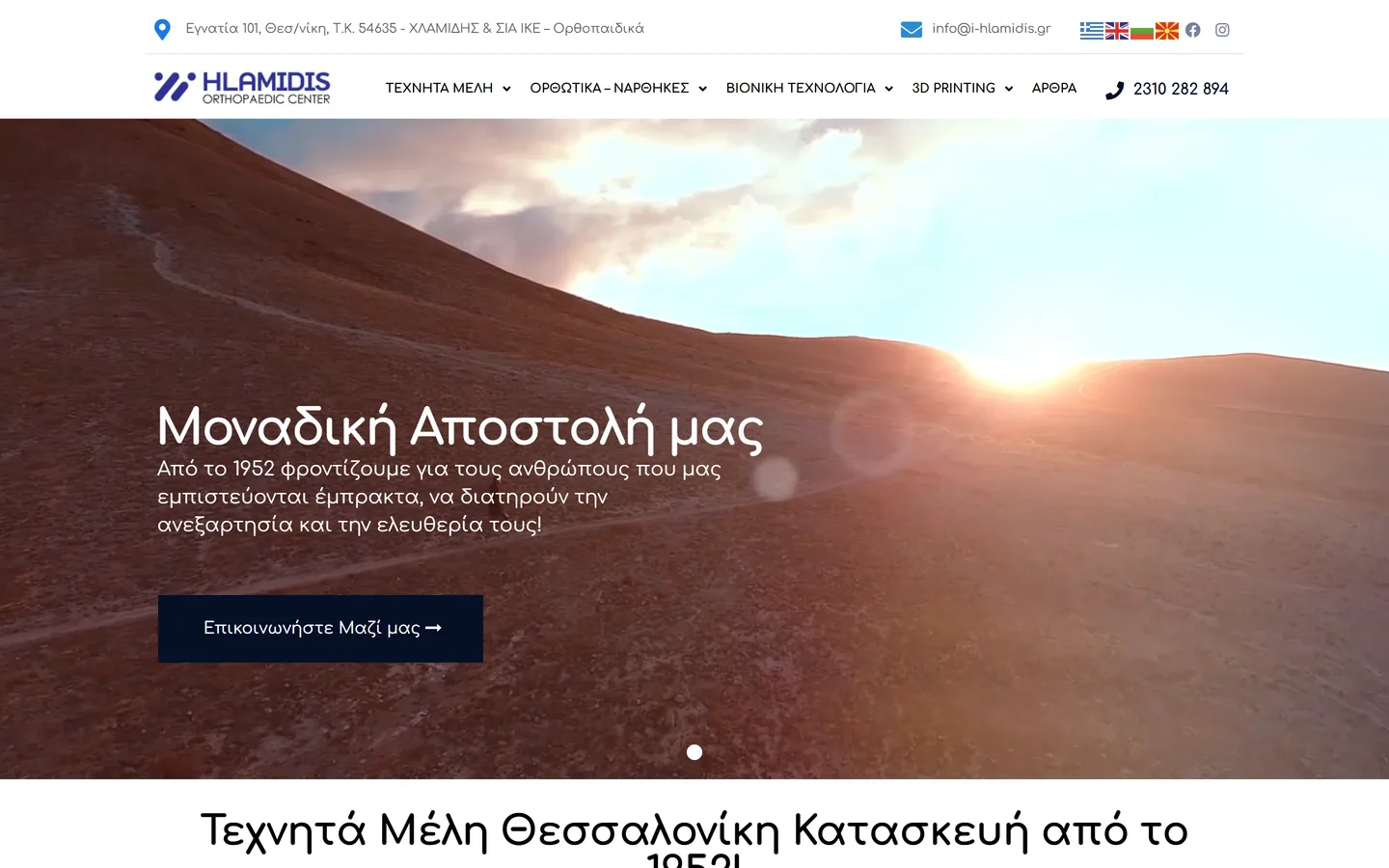
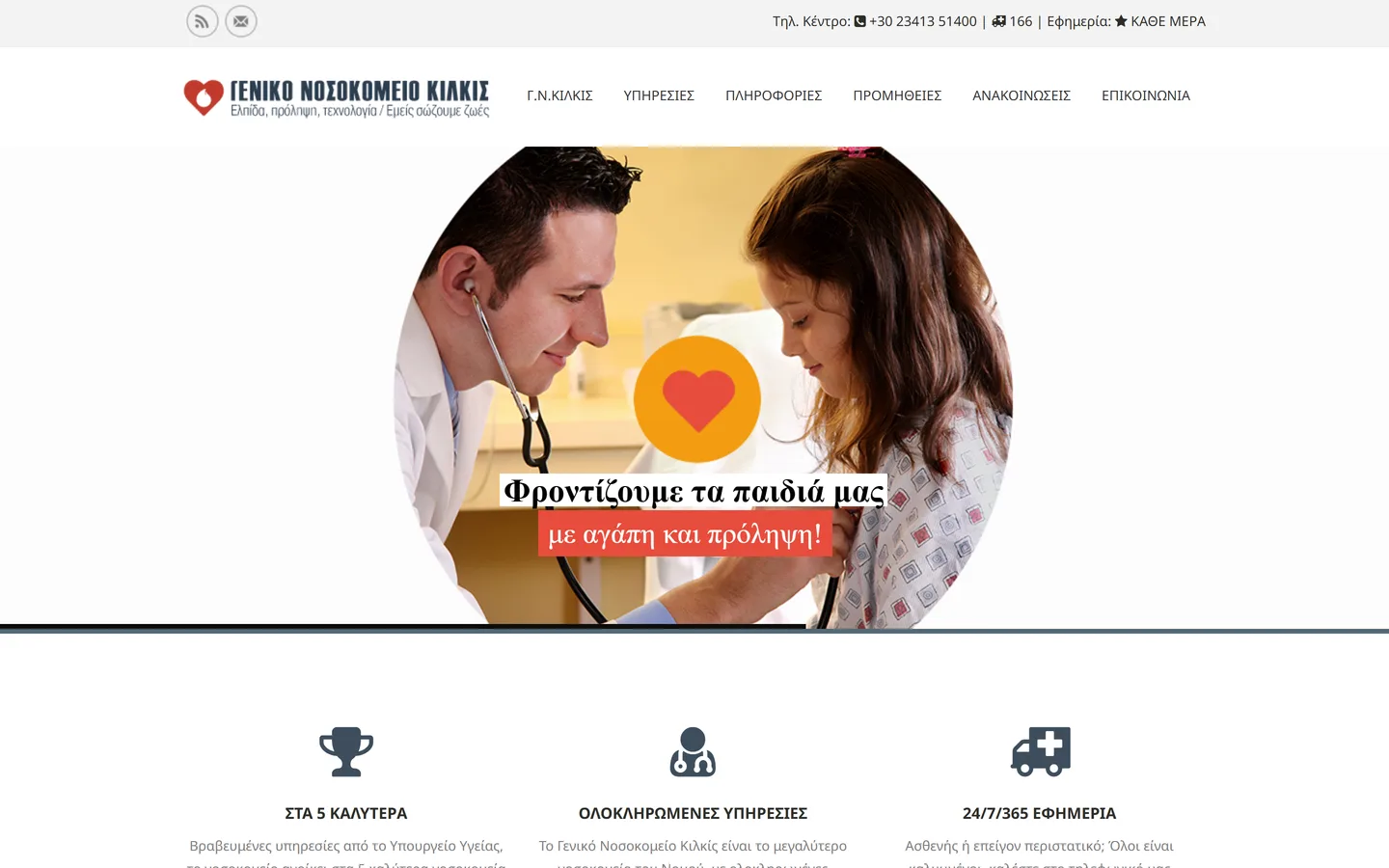
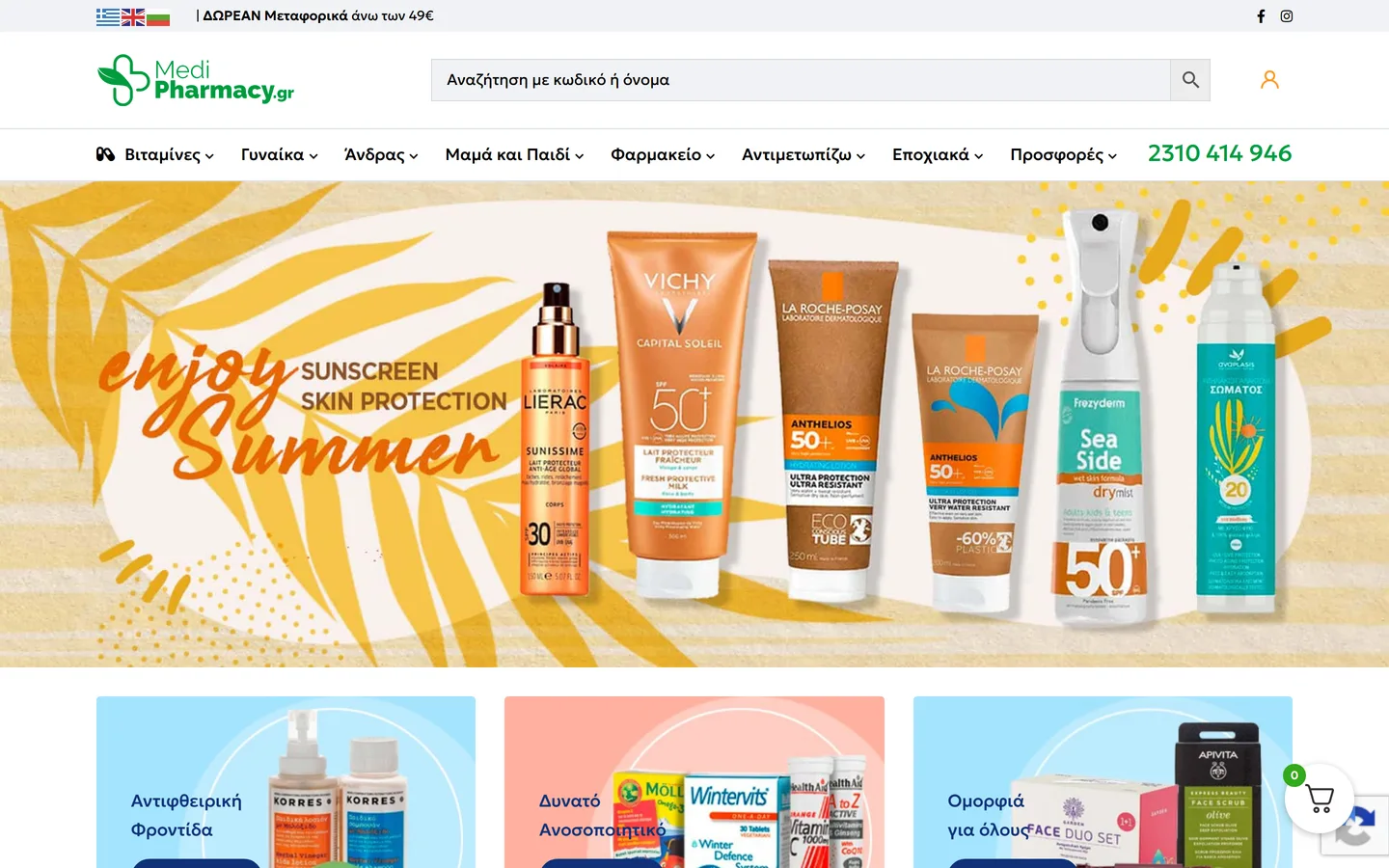
Healthcare businesses we have worked with: orthopaedic products, a public hospital and a pharmacy. They are not medical practices, but the work (SEO, speed, website) is the same work a practice needs.
Free guides for your practice's SEO
What we use ourselves, in the open.
Local SEOLocal SEO & Google Business Profile
How a practice with a map pin and reviews gets found for "specialty + area" searches.
Read more → SEO & GEO
SEO & visibility in ChatGPT and Gemini
How a practice shows up when the patient asks an AI engine instead of Google.
Read more → Ads
AdsMeta & Google Ads Playbook 2026
The playbook we use in campaigns with real budgets.
Read →Specialised services for doctors
See also.